



The Music Workshop Company Blog 

Each month the Music Workshop Company publishes two blogs. One blog, written by the MWC team addresses a key issue in Music Education or gives information about a particular genre or period of music. The other blog is written by a guest writer, highlighting good practice or key events in Music Education. We hope you enjoy reading the blogs. 
 
We embed multimedia content in many of our blog posts, if you have rejected cookies for this website, you may have white spaces where the multimedia content should be. This is due to a recent change of policy by YouTube, Spotify and other platforms. We are in the process of updating all our posts. If you come across white spaces in a blog post, you can open the link in another browser or private browser and approve cookies to access all the content. We are sorry for any inconvenience this causes. 
 
To contribute as a guest writer please email Maria@music-workshop.co.uk 

Posts tagged “ARTS EDUCATION”

At MWC, we are strong believers in the wide benefits of Arts Education, particularly for young people.  
 
In December 2025, Trinity College, London published their white paper “Career-Ready: Bridging the Employability Skills and Confidence Gap” which explored the skills that matter most for work readiness and career success.  
 
Their findings demonstrated that performance and creative education, covering music, drama and dance, enables and empowers young people, helping them to be better prepared and more confident in the work place. 
Earlier this month, the Government announced changes to the National Curriculum for Music in England, as part of a broader review of the National Curriculum. This followed campaigning from individuals and organisations for a number of years, which highlighted how the current system ‘downgrades’ Arts subjects and limits students’ access to Music education. 
 
In this month’s blog, we look in more detail at the challenges with the existing system, the changes that have been recommended and how the sector has responded to the news. 
For this guest blog we hear from drama teacher Sam Marsden, who reflects on the broader benefits of introducing drama games into lessons of all kinds. The activities Sam uses in her teaching can offer a powerful new way for young people to tap into their creativity, build confidence and more – all of which also play an important role in the wider performing arts. Here, Sam highlights some of the benefits of adding some drama to your classes, and shares three activities that teachers could try for themselves with their students. 
 
 
Image: Sam Marsden; credit: Rosalind Hobley 
On Saturday 24th April 2021, educators, artists and others passionate about arts education, met online to share good practice, pick up top tips and celebrate creativity and the arts. 
 
Dr. Emma Kell and the Aspire team put together a vibrant programme of speakers and writer to create and share content across the day. The event was brilliantly captured by graphic recorder, Rebecca Osborne. This material is currently still available, and we wanted to share some of the great work of the contributors. 
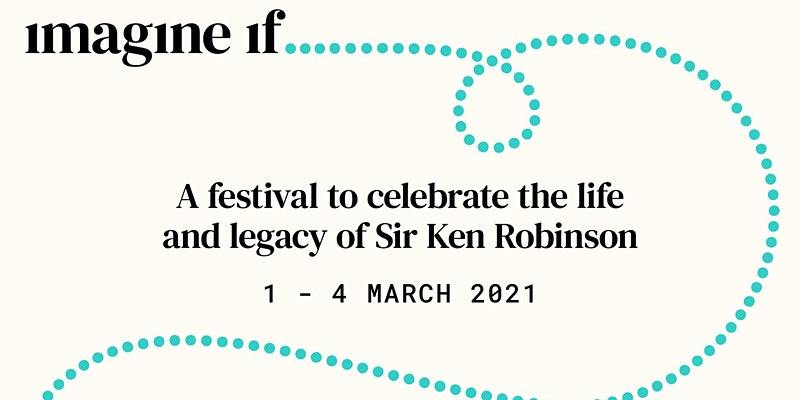
On March 1-4, 2021, the Imagine If Festival celebrated the life and legacy of Sir Kenneth Robinson who passed away in August 2020. 
 
Sir Ken was a hugely influential author, speaker and advisor on education. He led national and international projects on creative and cultural education. His 2006 TED talk, “Do Schools Kill Creativity?” has been viewed over 60 million times and seen by an estimated 380 million people in 160 countries. He was knighted in 2003 for services to the arts. 
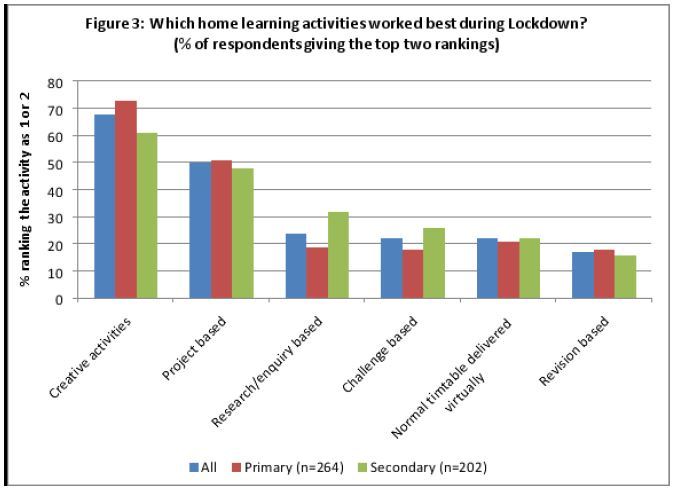
Exploring the National Arts, Creative and Cultural Education survey, July 2020. 
 
The Bridge England Network spent the summer months surveying UK schools. Their aim; to gather information about the needs and creative aspirations of children in the UK from autumn 2020. 
 
The resultant report showcases the importance of creative activities in learning. The value of the Arts for mental health is also highlighted. A large amount of data was collected around home learning during lockdown, and this shows the resilience of schools in devising creative learning activities despite, unprecedented obstacles. So how have schools managed to keep teaching, and where does creative learning and the Arts fit in to this ‘new normal’? 

Archives

Designed and created by it'seeze