




The Music Workshop Company Blog 

Each month the Music Workshop Company publishes two blogs. One blog, written by the MWC team addresses a key issue in Music Education or gives information about a particular genre or period of music. The other blog is written by a guest writer, highlighting good practice or key events in Music Education. We hope you enjoy reading the blogs. 
 
We embed multimedia content in many of our blog posts, if you have rejected cookies for this website, you may have white spaces where the multimedia content should be. This is due to a recent change of policy by YouTube, Spotify and other platforms. We are in the process of updating all our posts. If you come across white spaces in a blog post, you can open the link in another browser or private browser and approve cookies to access all the content. We are sorry for any inconvenience this causes. 
 
To contribute as a guest writer please email Maria@music-workshop.co.uk 

Posts tagged “ORCHESTRAS”

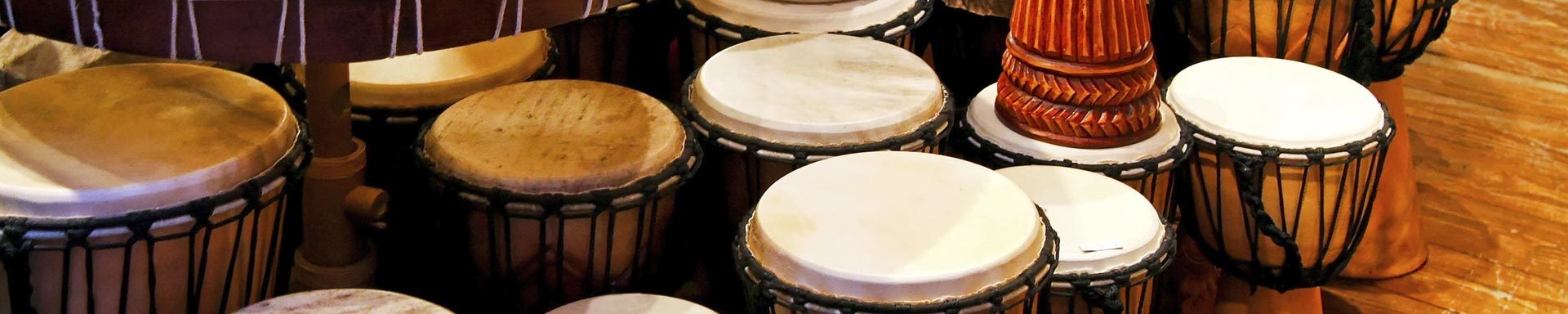
The final part in our series about the Western Orchestra explores the percussion section. Despite being hidden at the back of the orchestra, the timpani (timps), drums, cymbals and other percussion instruments can always be clearly heard. 
 
The word “percussion” means hitting, and so percussion instruments create sound by being struck, shaken or scraped. Percussion instruments are divided broadly into two groups: “pitched”, which can play specific notes or pitches, and “unpitched”. 
 
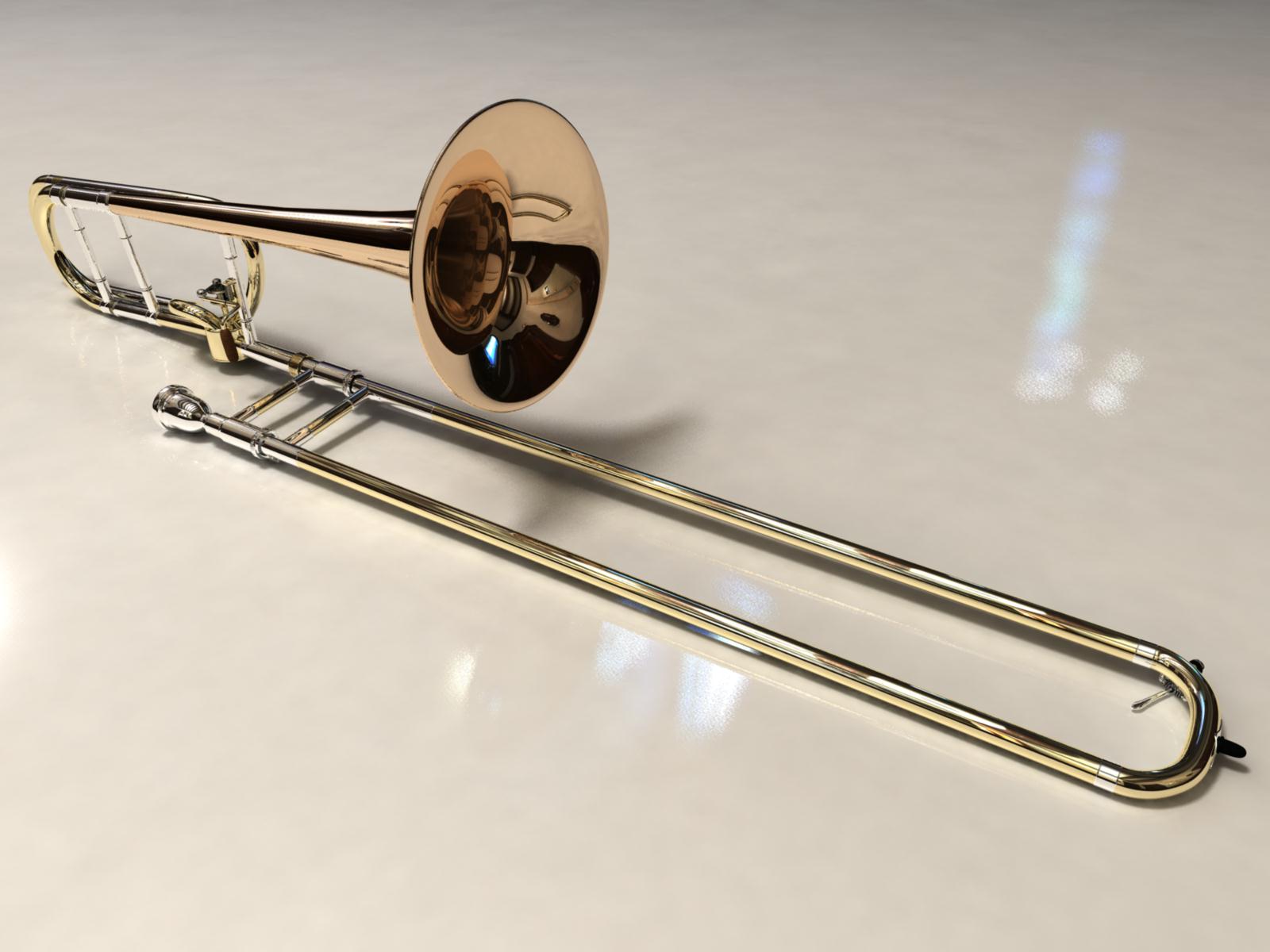
Continuing our series about instruments in the Western Orchestra, this month we explore the brass section, typically made up of horns, trumpets, trombones and tuba. 
 
These various instruments are linked by the way they produce sound, and although the section is called the “brass” section, instruments can also be made from other materials.  
 
The brass section and the woodwind section are sometimes grouped together into the “wind” section. 
 
Image: FlamM, CC BY-SA 3.0, via Wikimedia Commons 
A flute against a white background
Photo by Thea Paraskevaides, used under Creative Commons licence 
Continuing our series of blog posts about the Western Classical Orchestra, this month we explore the woodwind family. 
 
A typical woodwind section in an orchestra is made up of flutes, oboes, clarinets and bassoons, but different pieces of music require a different combination of woodwind instruments. Sometimes, the extended instrumental families are needed, from piccolo to contra bassoon or even the saxophone. 
 
Woodwind instruments are aerophones – instruments that create sounds by making air vibrate. 
The orchestra has been at the heart of much of Western music for over 350 years. Many of the pieces in the recommended listening list in the Model Music Curriculum for England are written for orchestra. We explore how the orchestra developed throughout the centuries, for the first of our series of posts examining the make-up of Western orchestras. 
 
Check back in May for the next post in the series, when we’ll delve deeper into the string family. 
Maria Thomas
In past blogs we have explored many of the benefits of music education and participation in music: brain development, self-expression, motor skills, collaboration skills, self-discipline as well as improving wellbeing. 
 
This month, our Artistic Director, Maria Thomas, explores an element that isn’t often highlighted as a benefit of music participation – friendships. 
 
She argues that participation in music - whether through playing music with others, or sharing an appreciation of music - can be an important way for us to form vital connections with other people. 
 
Image: David Amann 

Archives

Designed and created by it'seeze