



The Music Workshop Company Blog 

Each month the Music Workshop Company publishes two blogs. One blog, written by the MWC team addresses a key issue in Music Education or gives information about a particular genre or period of music. The other blog is written by a guest writer, highlighting good practice or key events in Music Education. We hope you enjoy reading the blogs. 
 
We embed multimedia content in many of our blog posts, if you have rejected cookies for this website, you may have white spaces where the multimedia content should be. This is due to a recent change of policy by YouTube, Spotify and other platforms. We are in the process of updating all our posts. If you come across white spaces in a blog post, you can open the link in another browser or private browser and approve cookies to access all the content. We are sorry for any inconvenience this causes. 
 
To contribute as a guest writer please email Maria@music-workshop.co.uk 
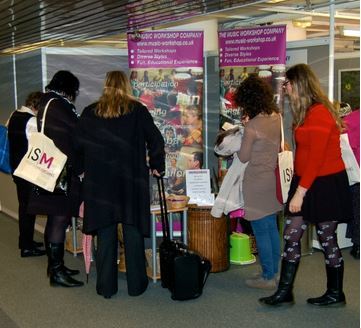
As a change to our normal guest blog, this month we’ve prepared some tips on which stands to visit at this week’s Rhinegold Music Education Expo. As the Expo has moved to Earl’s Court this year with new zones we thought we’d signpost some interesting stands… 
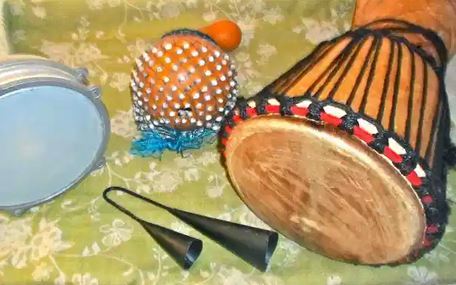
Samba is the most typical, important and recognisable music of Brazil. It is common throughout Brazil, but is most frequently associated with urban Rio de Janeiro, where it developed during the 19th and 20th centuries. It is celebratory music, frequently identified with Carnival and the exotic, feathered dance outfits. Rio’s football grounds will come alive with samba music and dance during the 2016 Olympics. 
The music industry has centred around recordings for a long time. The album, which was originally a tool designed to promote the concert tour of an artist, has become the most important aspect for many musicians. But the process of making a record is complex and requires many considerations. Martin Lumsden, head of the Cream Room Recording Studio, talks to the Music Workshop Company about life on the other side of the microphone, and offers invaluable advice for any music students who are developing their own sound. 
Chinese New Year falls on the 8th of February in 2016. It is a public holiday marking the first day of the lunar calendar, so the date is different each year. The occasion centres around New Year’s Eve, the day of family reunions, and New Year’s Day, a day of close family visits and new year greetings, but celebrations often begin three weeks before. As we head into the Year of the Monkey, the Music Workshop Company takes a look at ancient Chinese music and the fantastic stories that accompany it. 
There has long been discussion about the structure of secondary education. Recently this has centred around the English Baccalaureate (EBacc), a school performance indicator linked to the General Certificate of Secondary Education (GCSE). 
 
The EBacc is designed to measure the percentage of students in a school who achieve five or more A* to C grades in GCSE mathematics, sciences, foreign languages, history or geography. It is called a baccalaureate, but it is not like the French baccalauréat, which qualifies students for entry into universities and tertiary education. 
The Music Workshop Company team has grown this year with the addition of our wonderful new Social Media Assistant, Jenny Wright. Let’s meet Jenny and find out about her role… 

Archives

Designed and created by it'seeze